
English Conversation When Making an Appointment
Mastering the art of scheduling visits or calls is a…

Mastering the art of scheduling visits or calls is a vital skill for navigating daily life in the United States. Whether you need to book a doctor’s visit or reserve time with a service provider, clear communication ensures your needs are met efficiently.
This guide provides practical strategies to help you handle these interactions with total confidence. You will explore realistic scenarios, essential vocabulary, and polite patterns that make every interaction smooth and professional.
By learning these specific phrases, you can avoid common misunderstandings and secure your preferred time slots easily. Let’s dive into the best ways to handle these requests in everyday American settings.
Key Takeaways
- Learn polite phrases to request specific dates and times.
- Understand how to confirm details to avoid scheduling errors.
- Discover how to reschedule or cancel plans professionally.
- Practice common vocabulary used in professional and personal settings.
- Gain confidence in handling phone or in-person booking requests.
English Conversation When Making an Appointment: Calling to Schedule an Appointment
Effective communication for appointments begins the moment the receptionist picks up the phone. When you call to book a service, clarity and politeness are your best tools for success. By stating your purpose early, you help the staff assist you much faster.

A successful appointment scheduling dialogue relies on being prepared with your preferred dates and specific needs. Whether you are booking a haircut or a professional consultation, keeping your request concise makes the process smooth for everyone involved.
Customer and Receptionist Dialogue
Receptionist: Good morning, thank you for calling Bright Smile Dental. How can I help you today?
Customer: Hi there! I would like to schedule an appointment for a routine cleaning, please.
Receptionist: Certainly! I can help you with that. Do you have a specific day or time that works best for you?
Customer: I am generally free on Tuesday mornings. Do you have any openings next week?
This simple interaction shows how arranging meetings in english can be straightforward when you follow a logical flow. Always remember to listen carefully to the options provided and confirm the details before ending the call. Being proactive ensures that you secure the time slot that fits your busy schedule perfectly.
English Conversation When Making an Appointment: Asking About Available Times
Mastering the art of setting up appointments conversation requires knowing exactly how to inquire about open time slots. When you call a business, being clear and direct helps the receptionist assist you much faster.
Using conversational English for scheduling allows you to navigate the booking process with confidence. It is helpful to have a few specific questions ready before you dial the phone.

Customer and Receptionist Dialogue
Below is a typical exchange that demonstrates how to ask for available times effectively.
Customer: Hi, I would like to book a haircut for next week. What times do you have available?
Receptionist: Let me check our schedule. We have openings on Tuesday morning at 10:00 AM or Thursday afternoon at 3:00 PM.
Customer: Do you have anything in the evening? I work until 5:00 PM.
Receptionist: Yes, we have a slot at 6:30 PM on Wednesday. Would that work for you?
When making appointments in the English language, you should always clarify your preferred time frame. This ensures you find a slot that fits your busy schedule perfectly.
| Inquiry Type | Example Phrase | Best Use Case |
|---|---|---|
| General Availability | “What times are you open?” | Initial contact |
| Specific Preference | “Do you have morning slots?” | Narrowing down options |
| Urgency | “What is your earliest opening?” | When time is limited |
| Evening Request | “Are you available after 5 PM?” | After-work scheduling |
English Conversation When Making an Appointment: Choosing a Convenient Date
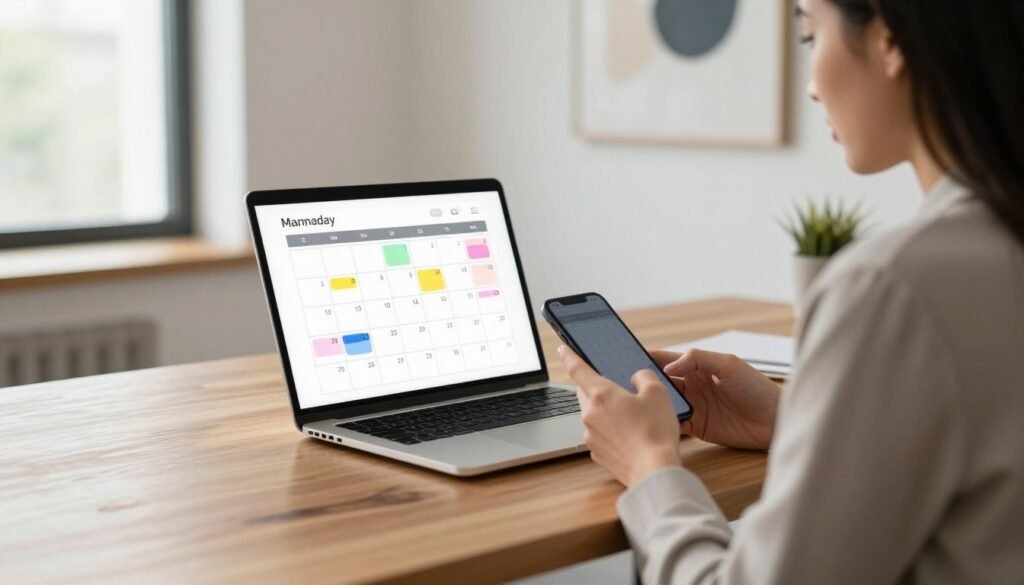
When you need to book a service, choosing a convenient date often requires a bit of back-and-forth communication. Finding a time that fits your busy calendar is a key part of any dialogue for setting appointments. Being flexible and clear about your availability helps the process move much faster.
Customer and Receptionist Dialogue
Customer: Hi, I would like to book a consultation for next week. Do you have any openings on Tuesday?
Receptionist: Let me check our calendar. We are fully booked on Tuesday, but we have a slot available on Wednesday at 10:00 AM or Thursday at 2:00 PM. Would either of those work for you?
Customer: Wednesday morning is a bit tight for me. Actually, Thursday afternoon sounds perfect. Can we lock that in?
Receptionist: Certainly! I have scheduled you for Thursday at 2:00 PM. You will receive a confirmation email shortly.
“Time is the most valuable resource we have, and managing it well through clear communication is the hallmark of a professional.”
When you are scheduling an appointment in english, it is helpful to keep a list of your preferred times ready. If your first choice is unavailable, having a backup date prevents unnecessary delays. The following table highlights some essential english appointment booking phrases to keep in your toolkit.
| Goal | Phrase to Use | Context |
|---|---|---|
| Proposing a date | “Do you have any openings on…?” | Initial inquiry |
| Checking availability | “Is that day still open?” | Confirming a slot |
| Accepting a time | “That works perfectly for me.” | Finalizing the plan |
| Explaining a conflict | “I am afraid I am busy then.” | Declining a suggestion |
English Conversation When Making an Appointment: Asking About Appointment Duration
Knowing how long your appointment will last is a key part of planning your day effectively. When you engage in a dialogue for setting up an appointment, it is perfectly acceptable to ask about the expected time commitment. This helps you manage your schedule and ensures you arrive on time without feeling rushed.
You should also inquire about any preparation time or early arrival requirements. Some services, such as medical exams or professional consultations, may require you to fill out paperwork before your session begins. Being proactive about these details shows that you respect the professional’s time and your own.
Customer and Receptionist Dialogue
The following example demonstrates how to use conversational english for appointments to clarify timing. This exchange helps both parties stay on the same page regarding the length of the visit.
Customer: Hi, I would like to book a consultation for next Tuesday. Could you tell me how long the session usually lasts?
Receptionist: Certainly! A standard consultation typically takes about 45 minutes. However, please arrive 15 minutes early to complete our intake forms.
Customer: That sounds perfect. Should I expect any delays if the previous client runs over?
Receptionist: We do our best to stay on schedule, but I will let you know if there are any unexpected changes.
Using the right language makes the process smoother for everyone involved. Refer to the table below for common phrases for arranging a meeting in english that focus on time and duration.
| Goal | Suggested Phrase | Context |
|---|---|---|
| Ask for duration | How much time should I set aside? | General inquiry |
| Check arrival | Do I need to arrive early? | Preparation |
| Manage delays | Is there a buffer for delays? | Planning |
| Confirm end time | Will we be finished by noon? | Specific deadline |
English Conversation When Making an Appointment: Making a Doctor’s Appointment
Proper English appointment etiquette is essential when you are calling to book a health checkup. Using polite language for making appointments helps ensure that the receptionist understands your needs quickly and accurately.
When you call a medical office, it is helpful to have your insurance information and calendar ready. Being prepared allows for effective communication for scheduling, which saves time for both you and the clinic staff.
Patient and Receptionist Dialogue
Receptionist: Thank you for calling City Health Clinic. This is Sarah speaking. How can I help you today?
Patient: Hello, Sarah. I would like to schedule an appointment with Dr. Miller for a routine checkup.
Receptionist: Certainly. Are you a returning patient with us?
Patient: Yes, I am. My name is Alex Rivera.
Receptionist: Thank you, Alex. I see your file here. Dr. Miller has openings next Tuesday morning or Thursday afternoon. Which would you prefer?
Patient: Thursday afternoon would be much better for my work schedule. Do you have anything around 2:00 PM?
Receptionist: Let me check. Yes, we have a slot at 2:15 PM. Does that work for you?
Patient: That sounds perfect. Thank you for your help.
Receptionist: You are very welcome. We have you down for Thursday at 2:15 PM. Please remember to bring your insurance card.
Always remember to confirm the date and time before ending the call. A quick recap of the details ensures that there are no misunderstandings regarding your visit.
English Conversation When Making an Appointment: Making a Hair Salon Appointment
Mastering the art of booking salon services helps you secure your preferred time with your favorite stylist. Learning the right vocabulary for booking appointments in English makes the entire process feel smooth and professional. Whether you are looking for a simple trim or a complex color treatment, clear communication is the key to getting the look you want.
Customer and Receptionist Dialogue
When you call a salon, it is helpful to have your preferred dates and service requests ready. Using common appointment scheduling phrases allows the receptionist to assist you quickly and efficiently.
Receptionist: Hello, thank you for calling Shear Elegance Salon. How can I help you today?
Customer: Hi! I would like to book an appointment for a haircut and a balayage color treatment next week.
Receptionist: I can certainly help with that. Do you have a preferred stylist, or would you like me to recommend someone?
Customer: I usually see Sarah. Is she available on Tuesday afternoon?
Receptionist: Let me check her schedule. She has an opening at 2:00 PM on Tuesday. Would that work for you?
Customer: That sounds perfect. Please book that for me.
Receptionist: Great, you are all set for Tuesday at 2:00 PM. We look forward to seeing you!
There are many effective ways to schedule appointments in English that ensure you get the best service possible. Always remember to confirm the duration of your service, especially if you are planning a long color session. Being polite and specific will help you build a great relationship with your salon team.
English Conversation When Making an Appointment: Making a Dentist Appointment
Whether you are a new patient or a regular, calling the dentist’s office follows a predictable pattern. Learning how to set up a meeting in english for your oral health is a practical skill that helps you get the care you need quickly.
Patient and Receptionist Dialogue
Below is a realistic example of dialogues for making appointments in english, showing how to handle both routine checkups and specific dental concerns.
Receptionist: Bright Smile Dental, this is Sarah speaking. How can I help you today?
Patient: Hi, I would like to schedule an appointment for a checkup. I am a new patient.
Receptionist: Welcome! I can certainly help with that. Do you have any specific concerns, or is this just a routine cleaning?
Patient: Actually, I have a sharp pain in my lower molar, so I would like that checked as well.
Receptionist: I am sorry to hear that. Let me check our availability. We have an opening this Thursday at 10:00 AM or Friday at 2:00 PM. Which works better for you?
Patient: Thursday at 10:00 AM works perfectly.
Receptionist: Great. Since you are new, I will need your full name, date of birth, and insurance information to finalize the booking.
When you prepare for your call, keep a list of vocabulary for arranging appointments handy to ensure you provide all necessary details. Using clear language helps the office staff assist you more efficiently.
- Routine checkup: A standard visit for cleaning and examination.
- Dental concern: Specific issues like toothaches, sensitivity, or chipped teeth.
- Availability: The open time slots in the clinic’s schedule.
- Patient information: Personal data required for new patient registration.
Remember to always ask for a confirmation of the date and time before ending the call. This simple step ensures that both you and the office are on the same page regarding your visit.
English Conversation When Making an Appointment: Making a Business Appointment
When you need to coordinate a business meeting, using the right language is essential for making a great first impression. Professional settings require a higher level of clarity and courtesy compared to personal service bookings. Mastering these expressions for scheduling appointments in English will help you navigate corporate gatekeepers with confidence.
Whether you are contacting a consultant or a large firm, always state your purpose clearly and concisely. It is helpful to mention who you wish to speak with or the specific department you need to reach. Using effective phrases for making appointments ensures that your request is taken seriously and handled efficiently.
Client and Receptionist Dialogue
“The single biggest problem in communication is the illusion that it has taken place.”
The following dialogue demonstrates how to request a meeting with a specific project manager at a firm called TechSolutions.
- Client: Good morning, this is Sarah Jenkins from Apex Marketing. May I please speak with Mr. Henderson regarding our upcoming project proposal?
- Receptionist: Hello, Ms. Jenkins. Mr. Henderson is currently in a meeting. May I take a message or assist you with scheduling a time to speak with him?
- Client: Thank you. I would like to schedule a brief consultation to review the contract details. Do you have any availability for next Tuesday morning?
- Receptionist: Let me check his calendar. He has an opening at 10:00 AM or 2:00 PM. Would either of those work for you?
- Client: 10:00 AM works perfectly. Please confirm that time for me.
- Receptionist: Certainly, I have you down for Tuesday at 10:00 AM. I will send a calendar invitation to your email shortly.
By following this structure, you ensure that all necessary details are covered. Always remember to confirm the date and time before ending the call to avoid any potential scheduling conflicts.
English Conversation When Making an Appointment: Rescheduling an Appointment
Learning how to shift your plans gracefully is a vital skill for professional communication. Life often brings unexpected changes, and knowing how to handle these moments with polite conversation for appointments ensures you maintain good relationships with service providers.
When you need to change a time, clarity and kindness are your best tools. You should always aim to provide as much notice as possible, which shows respect for the other person’s time. Mastering the art of booking an appointment in english includes being prepared to suggest alternative slots that work for both parties.
Customer and Receptionist Dialogue
Customer: “Hello, this is Sarah Jenkins. I have an appointment for a dental cleaning tomorrow at 10:00 AM, but I have a sudden work conflict. Is it possible to reschedule?”
Receptionist: “Hello, Sarah. I understand. Let me check our calendar for you. We have an opening on Thursday at 2:00 PM or Friday at 9:00 AM. Would either of those work?”
Customer: “Thursday at 2:00 PM would be perfect. I am so sorry for the last-minute change, and I appreciate your help.”
Receptionist: “No problem at all, Sarah. I have moved your appointment to Thursday at 2:00 PM. We will see you then!”
To help you navigate these situations with confidence, here are some essential phrases for appointment setting when you need to make a change.
| Category | Phrase | Purpose |
|---|---|---|
| Apology | “I am sorry for the inconvenience.” | Showing professional courtesy. |
| Request | “Could we move my appointment?” | Clearly stating your need. |
| Alternative | “Do you have any openings on…?” | Proposing a new time. |
| Confirmation | “Does that time work for you?” | Finalizing the new schedule. |
English Conversation When Making an Appointment: Canceling an Appointment
Learning how to politely cancel a booking is a vital part of mastering appointment setting language. Life is unpredictable, and there will be times when you simply cannot make it to your scheduled commitment. Communicating this change clearly and respectfully ensures that you maintain a positive relationship with the service provider.
When you call to cancel, always start by identifying yourself and the specific appointment you need to change. Providing a brief, honest reason is often appreciated, though you do not need to provide excessive detail. Finally, showing interest in rescheduling demonstrates that you value the professional’s time.
Customer and Receptionist Dialogue
The following dialogue illustrates a professional way to handle a cancellation. It highlights the importance of being clear and courteous during the process.
Customer: Hello, this is Sarah Jenkins. I am calling to cancel my appointment for tomorrow at 2:00 PM with Dr. Miller.
Receptionist: Hello, Sarah. I have your booking right here. I am sorry to hear you cannot make it. Would you like to reschedule for another day?
Customer: Yes, please. I have a conflict, but I would love to come in next week instead. Do you have any openings on Tuesday?
Receptionist: Let me check the calendar. Yes, we have a slot at 10:00 AM on Tuesday. Does that work for you?
Customer: That sounds perfect. Thank you for your help!
Understanding how to schedule an appointment in english is just as important as knowing how to cancel one. When you need to adjust your plans, keep these tips in mind:
- Be prompt: Call as soon as you know you cannot attend.
- Be clear: State your name, the date, and the time of the original booking.
- Be polite: A simple apology goes a long way in maintaining rapport.
By following these steps, you will feel more confident scheduling a meeting in english in the future. Clear communication prevents misunderstandings and keeps your professional or personal calendar running smoothly.
English Conversation When Making an Appointment: Confirming an Appointment
Once you have agreed on a time, confirming the details is the final step in making arrangements in English. Taking a moment to repeat the information back to the receptionist prevents costly mistakes and ensures both parties are on the same page.
When setting up a meeting conversation, it is helpful to verify the date, time, location, and the specific service requested. This simple habit builds trust and shows that you are organized and professional.
Customer and Receptionist Dialogue
Customer: “Before I go, could we please confirm the details? I have us down for a haircut on Tuesday, October 12th, at 2:00 PM at your downtown location.”
Receptionist: “That is correct. I have you scheduled for a haircut with Sarah at 2:00 PM this coming Tuesday. We are located at 450 Maple Street.”
Customer: “Perfect, thank you. Should I bring anything specific for the appointment?”
Receptionist: “Just bring your photo ID for the initial check-in process. We look forward to seeing you then!”
When arranging a meeting in english, using a structured approach helps clarify expectations. The following table outlines essential phrases to use during your confirmation process.
| Action | Suggested Phrase | Purpose |
|---|---|---|
| Verify Date | “Can we confirm the date is Tuesday?” | Avoid scheduling errors |
| Verify Time | “Just to clarify, is it at 2:00 PM?” | Ensure punctuality |
| Verify Location | “Is that at the main office?” | Confirm the correct site |
| Closing | “Thank you for your help today.” | Maintain professionalism |
Always end your call with a polite closing expression. A simple “Thank you for your help” or “I look forward to our appointment” leaves a positive impression and confirms the interaction is complete.
English Conversation When Making an Appointment: Asking About Location and Directions
Mastering the art of asking for directions is a key part of any successful appointment setting conversation. Even if you have a confirmed time, arriving late because you cannot find the building can be frustrating. It is always wise to clarify the exact address, nearby landmarks, and parking availability before you hang up the phone.
Using conversational English for appointments helps you feel more confident when visiting a new office. Whether you are taking public transportation or driving your own vehicle, knowing the best entrance or where to park saves valuable time. Below is a helpful guide on what to ask your receptionist.
Customer and Receptionist Dialogue
This dialogue for scheduling appointments demonstrates how to gather essential logistical information effectively. You can use these phrases to ensure you arrive at your destination without any unnecessary stress.
Customer: “I have my appointment for Tuesday at 10:00 AM. Could you please confirm the office address?”
Receptionist: “Certainly! We are located at 450 Maple Avenue, Suite 200. It is the glass building right next to the public library.”
Customer: “That is very helpful. Is there a specific parking area I should use?”
Receptionist: “Yes, we have a visitor lot behind the building. You can enter through the back doors, which lead directly to the elevators.”
When you are planning your trip, keep these essential questions in mind to ensure a smooth arrival:
- What is the exact street address and suite number?
- Are there any major landmarks nearby to help me find the building?
- Is there dedicated parking, or should I use street parking?
- Which entrance is most convenient for visitors?
To help you organize your travel details, refer to the following table for quick reference during your next call:
| Category | Key Question | Why it Matters |
|---|---|---|
| Location | “Is there a landmark nearby?” | Easier navigation |
| Parking | “Is there a visitor lot?” | Saves time searching |
| Access | “Which entrance is best?” | Avoids confusion |
By asking these specific questions, you demonstrate that you value your time and the professional relationship. Clear communication is the foundation of any productive conversational English for appointments.
Common English Phrases for Making an Appointment
When you are setting up a meeting in English, using the right phrases makes all the difference. In American culture, the tone you choose often depends on your relationship with the person you are calling. You might use direct language with a close colleague, while a more formal approach is better for a new client or a medical office.
Politeness is a key component of successful communication. Using phrases like “Could I please schedule…” or “Would it be possible to…” helps you sound professional and respectful. These small adjustments ensure that your request is received well, regardless of the setting.
When you are making plans in English, clarity is your best tool. Always be prepared to offer specific dates and times to avoid confusion. If you need to adjust your schedule, being proactive and clear about your needs will help the other person assist you more efficiently.
The following table provides a quick reference guide for various stages of an arranging appointments conversation. Use these expressions to navigate your next phone call or email with confidence.
| Category | Polite/Formal Phrase | Direct/Casual Phrase |
|---|---|---|
| Requesting | I would like to schedule an appointment. | Can we meet on Tuesday? |
| Availability | Do you have any openings on Friday? | Are you free then? |
| Confirming | That time works perfectly for me. | See you then! |
| Changing | I need to reschedule our meeting. | Can we move our plans? |
Frequently Asked Questions About English Conversation When Making an Appointment
Mastering the art of scheduling requires understanding a few common nuances. Many students find that speaking english for scheduling becomes much easier once they grasp the subtle differences between common verbs.
You might wonder if there is a difference between “making,” “scheduling,” or “booking” an appointment. In American English, these terms are often interchangeable, but they carry slight connotations. “Booking” is frequently used for services like hair salons or travel, while “scheduling” sounds more formal and is common in business settings.
When you need a reliable dialogue for booking appointments, remember that politeness is your best tool. Using phrases like “Would it be possible to…” or “I was wondering if…” helps you sound professional and respectful during your call.
- How do I handle a misunderstanding? If you do not catch a time or date, simply say, “Could you please repeat that?” or “I want to make sure I have the right time.”
- How can I confirm details? Always repeat the date and time back to the receptionist to ensure accuracy.
- Is there a best way to practice? Consistent conversing in english for appointments with a partner or a recording tool will build your muscle memory.
Finally, do not underestimate the power of english appointment conversation practice. By simulating real-world scenarios, you will gain the confidence needed to handle any scheduling request with ease and clarity.
Conclusion
Gaining confidence in booking appointments in english requires consistent practice and a clear understanding of essential structures. You now possess the tools to navigate various scenarios with ease. Using these phrases for setting appointments helps you manage your time effectively in any professional or personal setting.
Refining your conversational english is a journey that rewards patience. Try practicing these appointment scheduling dialogues aloud with a partner or record yourself to hear your progress. Adapting these scripts to fit your specific needs at places like Starbucks or Mayo Clinic makes your interactions feel natural and authentic.
Focusing on english for scheduling meetings allows you to handle requests, changes, and cancellations without stress. These effective communication skills serve as a foundation for all your future interactions. You will find that mastering the english language for arranging meetings opens doors to better organization and clearer expectations.
Engage in productive appointment discussions by keeping your requests direct and polite. The right language for booking appointments ensures that both parties remain on the same page. Start applying these techniques today to see immediate improvements in how you coordinate your busy life.